
Baking
In today’s modern baking industry, enzyme technology represents a cornerstone of innovation, efficiency, and product excellence. By harnessing the natural catalytic power of enzymes, the industry is able to enhance dough performance, improve product consistency, and extend shelf life while meeting the growing demand for clean-label formulations.
Our approach to enzyme solutions is rooted in precision science and application-driven development. Carefully selected enzyme systems are designed to optimize flour functionality, improve processing tolerance, and deliver superior baked goods with consistent quality. From bread and buns to biscuits and specialty bakery products, enzyme technology enables bakers to achieve outstanding results with greater process flexibility.
We are committed to supporting the baking industry with sustainable and high-performance solutions that reduce reliance on chemical additives while improving operational efficiency. Through continuous research and innovation, enzyme technology is shaping the future of baking delivering products that are not only better in quality, but also aligned with modern consumer expectations.
Fungal Amylase
We are a manufacturer of high-quality fungal amylase derived from Aspergillus niger, developed specifically to meet the performance demands of the modern baking industry. Our enzyme solutions are designed to enhance starch conversion, improve dough fermentation, and deliver consistent baking performance across a wide range of applications.
Through advanced fermentation technology and strict quality control processes, we produce fungal amylase that ensures reliable activity and stability in bakery formulations. Our product supports improved yeast performance by increasing fermentable sugar availability, resulting in better dough rise, increased loaf volume, and superior product uniformity.
In addition to improving process efficiency, our fungal amylase contributes to enhanced crust color, improved crumb softness, and extended shelf life of baked goods. It is suitable for use in bread, buns, rolls, and frozen dough systems, offering flexibility for both industrial and artisanal baking applications.
We are committed to delivering enzyme solutions that align with clean-label trends and sustainable food production, helping our customers achieve higher quality standards with optimized process efficiency and reduced additive dependency.
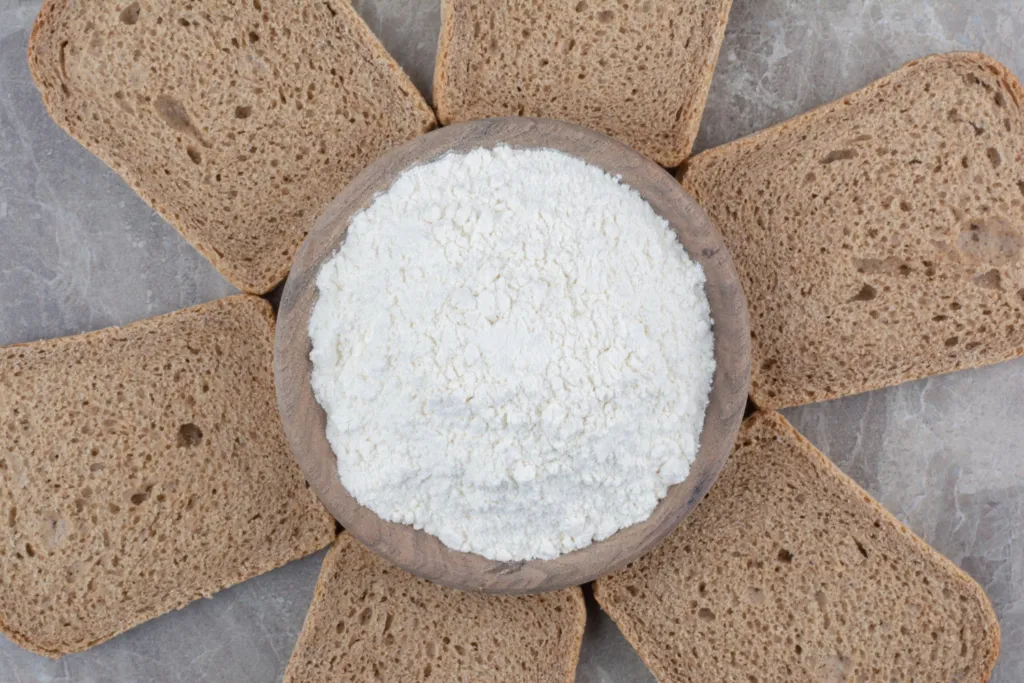
Key Benefits
• Improves fermentation and yeast activity
• Increases loaf volume and oven spring
• Enhances crust color and flavor
• Improves dough handling and stability
• Extends softness and shelf life
• Ensures consistent baking performance
Lipase
Lipase is a key enzyme widely used in modern baking to improve dough functionality, product quality, and process efficiency. It acts on lipids present in flour and added fats, breaking them down into surface-active compounds that enhance the interaction between dough components.
In baking applications, lipase plays an important role in strengthening dough structure and improving gas retention, which results in better loaf volume and a more uniform crumb texture. It also contributes to improved dough stability and machinability, making processing more consistent and reliable under industrial conditions.
Additionally, lipase helps enhance softness and extends the shelf life of baked products by improving internal crumb structure and delaying staling. It is commonly used in bread, buns, rolls, and other fermented bakery products where consistent quality and performance are essential.
As part of modern enzyme systems, lipase supports clean-label formulation strategies by reducing the need for chemical emulsifiers while maintaining or improving product quality.
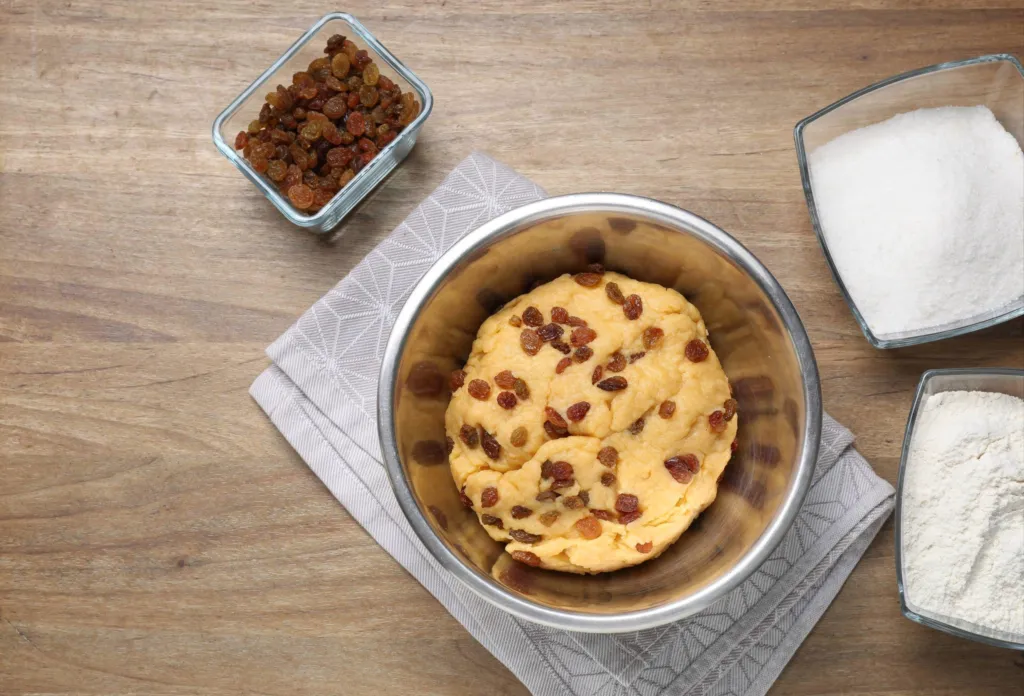
Key Benefits
• Improves dough strength and stability
• Enhances gas retention and loaf volume
• Produces finer, more uniform crumb structure
• Increases softness and eating quality
• Extends shelf life by delaying staling
• Reduces need for chemical emulsifiers
• Ensures consistent baking performance
Glucoamylase
Glucoamylase is an important enzyme used in the baking industry to improve fermentation efficiency, product quality, and process consistency. It acts on starch molecules by breaking them down into simple sugars, mainly glucose, which serve as an immediate energy source for yeast during dough fermentation.
In baking applications, glucoamylase enhances yeast activity, leading to improved gas production, better dough rise, and increased loaf volume. It also contributes to a softer crumb structure and improved texture in the final baked product.
By promoting controlled starch breakdown, this enzyme helps maintain consistent fermentation performance even with variations in flour quality. It is widely used in bread, buns, rolls, and other yeast-leavened bakery products.
Glucoamylase also supports improved crust color and overall sensory attributes by increasing fermentable sugar availability, making it a valuable component in modern enzyme-based baking systems focused on quality and efficiency.
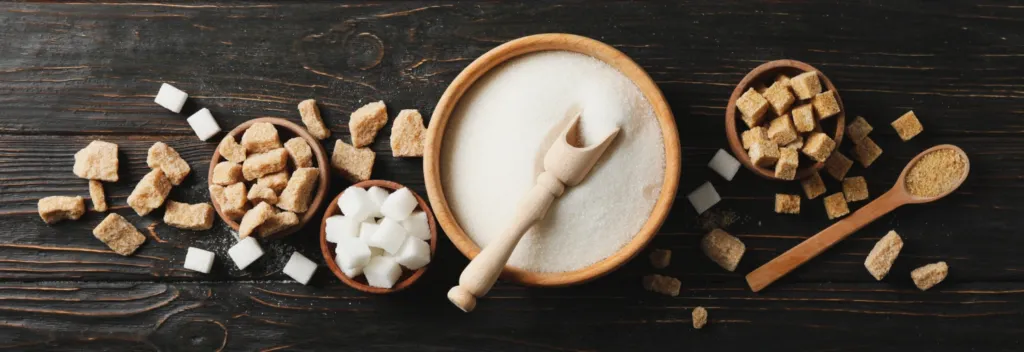
Key Benefits
• Enhances fermentation by increasing glucose availability
• Improves yeast activity and gas production
• Increases loaf volume and oven spring
• Produces softer crumb and better texture
• Improves crust color and flavor development
• Ensures consistent performance with variable flour quality
• Supports overall process efficiency in baking
Glucose Oxidase
Glucose oxidase is a functional enzyme widely used in the baking industry to improve dough strength, stability, and overall product quality. It catalyzes the oxidation of glucose into gluconic acid, simultaneously generating hydrogen peroxide, which promotes the formation of stronger gluten networks in wheat-based dough systems.
In baking applications, glucose oxidase enhances dough elasticity and tolerance, making it easier to handle during mixing, fermentation, and processing. This results in improved gas retention, better oven spring, and increased loaf volume.
The enzyme is particularly valuable in improving flour quality variability, helping bakers achieve consistent performance even with weaker or inconsistent wheat flours. It also contributes to finer crumb structure and improved texture in the final baked product.
Glucose oxidase is widely used in bread, buns, rolls, and frozen dough applications, and is an important component of modern enzyme systems that support clean-label formulations by reducing reliance on chemical oxidizing agents.

Key Benefits
• Strengthens gluten network and dough structure
• Improves dough elasticity and handling properties
• Enhances gas retention and loaf volume
• Increases dough stability during processing and fermentation
• Improves crumb structure and texture
• Reduces dependence on chemical oxidizing agents
• Ensures consistent performance with variable flour quality
Phospholipase
Phospholipase is a specialized enzyme used in the baking industry to improve dough performance, emulsification, and overall product quality. It acts on phospholipids naturally present in flour or added ingredients, converting them into lysophospholipids and free fatty acids that function as natural emulsifiers within the dough system.
In baking applications, phospholipase enhances dough stability, improves gas cell structure and increases gas retention during fermentation. This results in better loaf volume, improved crumb softness and a more uniform texture in the final baked product.
The enzyme also supports improved machinability and processing tolerance, making dough easier to handle under industrial production conditions. It is particularly useful in bread, buns, rolls and frozen dough applications where consistent quality and stability are essential.
Phospholipase plays an important role in modern enzyme-based baking systems, offering a clean-label alternative to traditional emulsifiers while maintaining or improving product quality and shelf life.
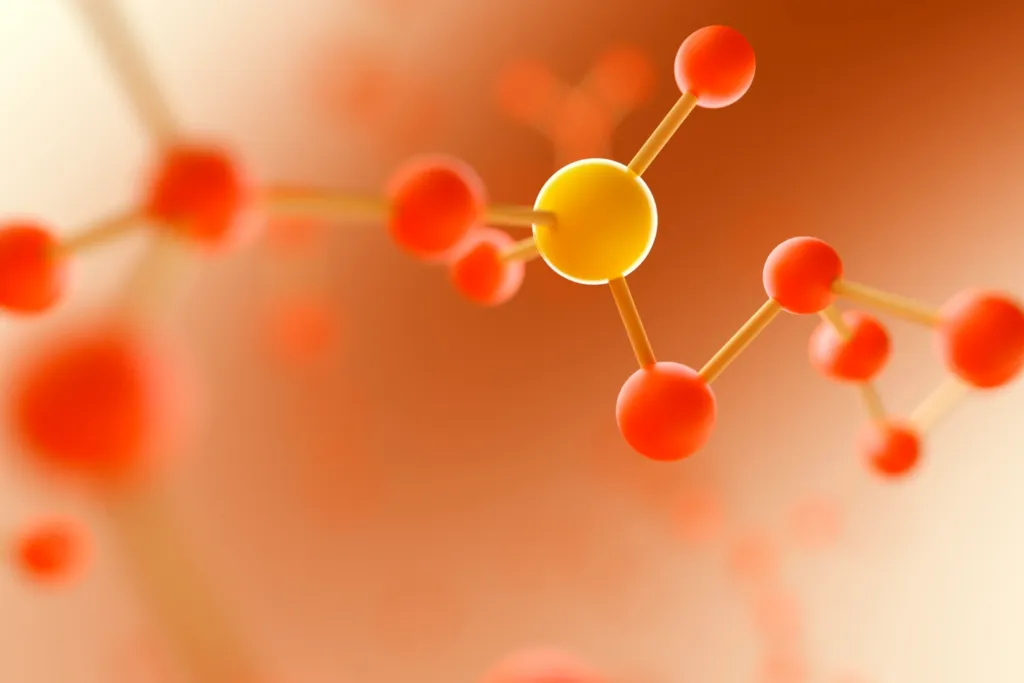
Key Benefits
• Improves natural emulsification in dough systems
• Enhances gas retention and loaf volume
• Strengthens dough stability and structure
• Produces finer, more uniform crumb texture
• Improves softness and eating quality
• Enhances machinability and processing tolerance
• Supports clean-label reduction of chemical emulsifiers
Xylanase
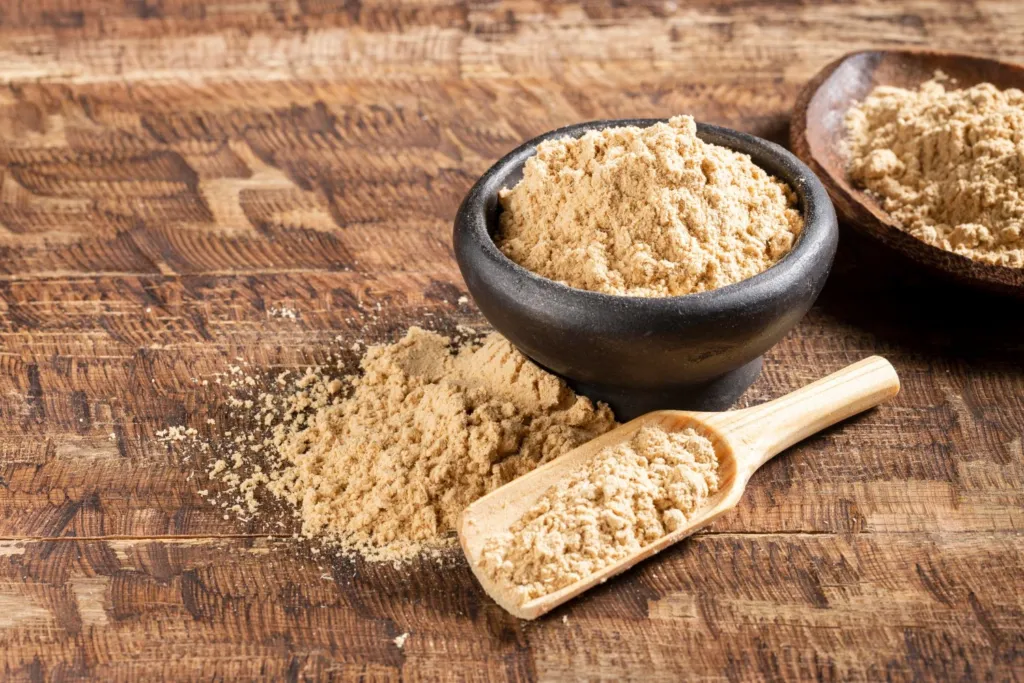
Xylanase is an important enzyme widely used in the baking industry to improve dough handling, bread quality, and overall process efficiency. It acts on arabinoxylans, a key component of non-starch polysaccharides in wheat flour, breaking them down into smaller, more soluble fragments.
In baking applications, xylanase helps optimize water distribution within the dough, resulting in improved dough extensibility and better machinability during processing. It enhances gas retention and contributes to increased loaf volume and a lighter, more uniform crumb structure.
The enzyme is particularly effective in improving flour consistency and compensating for variations in wheat quality, ensuring stable and reliable baking performance. It is commonly used in bread, buns, rolls, and frozen dough systems.
Xylanase is an essential component of modern enzyme-based baking solutions, supporting improved product quality while reducing the need for chemical additives in clean-label formulations.
Key Benefits
• Improves dough extensibility and handling
• Enhances gas retention and loaf volume
• Produces softer, more uniform crumb structure
• Optimizes water absorption and dough consistency
• Improves tolerance to flour quality variations
• Enhances overall product softness and freshness
• Supports clean-label reduction of additives
Cellulase
Cellulase is a functional enzyme used in the baking industry to improve dough performance, texture, and overall product quality. It works by breaking down cellulose and other plant cell wall components present in flour impurities and dietary fiber sources, converting them into smaller, more functional carbohydrates.
In baking applications, cellulase enhances water absorption and improves dough consistency, resulting in better handling properties during mixing and processing. It also contributes to improved gas retention, which supports increased loaf volume and a lighter, more uniform crumb structure.
The enzyme is particularly useful in whole grain and high-fiber bakery products, where higher levels of non-starch polysaccharides can affect dough development. By modifying these components, cellulase helps improve softness, texture, and overall eating quality.
Cellulase is an important part of modern enzyme systems in baking, supporting process efficiency and consistent product quality while aligning with clean-label formulation trends.

Key Benefits
• Improves dough handling and workability
• Enhances water absorption and dough consistency
• Increases loaf volume and gas retention
• Produces softer crumb and better texture
• Improves quality of whole grain and high-fiber products
• Enhances overall product freshness and eating quality
• Supports clean-label baking formulations
Maltogenic Amylase
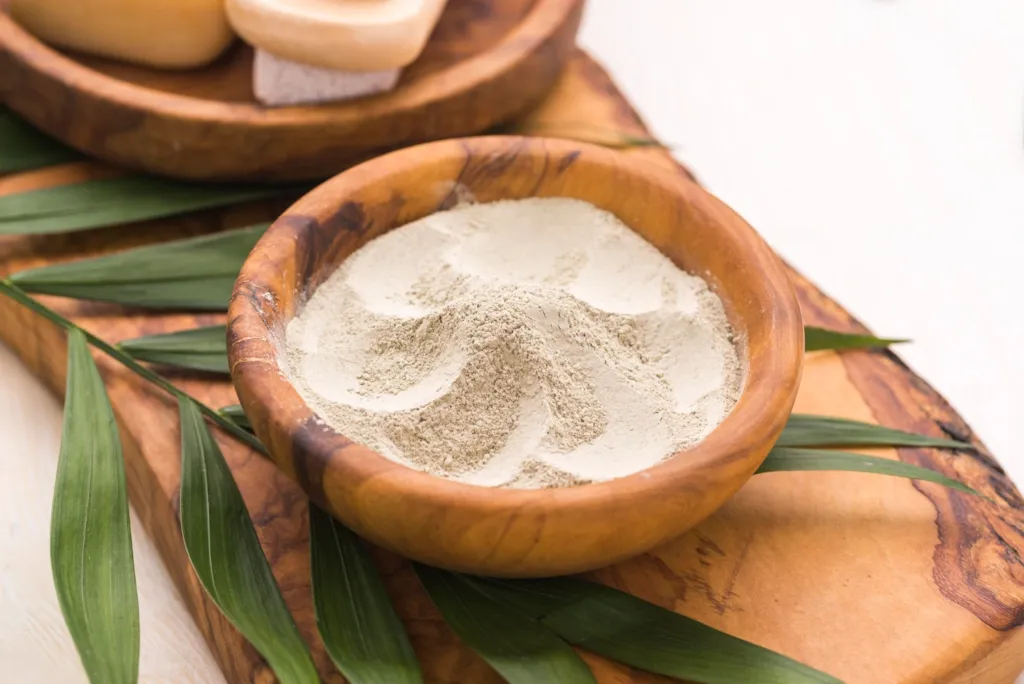
Maltogenic amylase is a specialized enzyme widely used in the baking industry to improve product softness and significantly extend shelf life. It acts on starch molecules during and after baking, modifying their structure in a controlled manner to slow down starch retrogradation the primary cause of bread staling.
In baking applications, maltogenic amylase helps maintain a soft and fresh crumb texture for a longer period without negatively affecting dough handling or product volume. It is particularly effective in bread, buns, rolls and frozen dough systems where long-lasting freshness is essential.
The enzyme works gradually, ensuring that starch modification occurs in a way that preserves product structure while enhancing moisture retention and softness. This results in baked goods that remain fresher, softer, and more appealing over time.
Maltogenic amylase is an important component of modern enzyme-based baking solutions, supporting clean-label strategies by reducing the need for chemical anti-staling agents while maintaining high product quality and consistency.
Key Benefits
• Extends shelf life by delaying staling
• Maintains long-lasting softness and freshness
• Improves moisture retention in baked products
• Enhances overall eating quality over time
• Preserves product texture without affecting volume
• Reduces need for chemical anti-staling agents
• Ensures consistent quality in bread, buns, and rolls
Protease
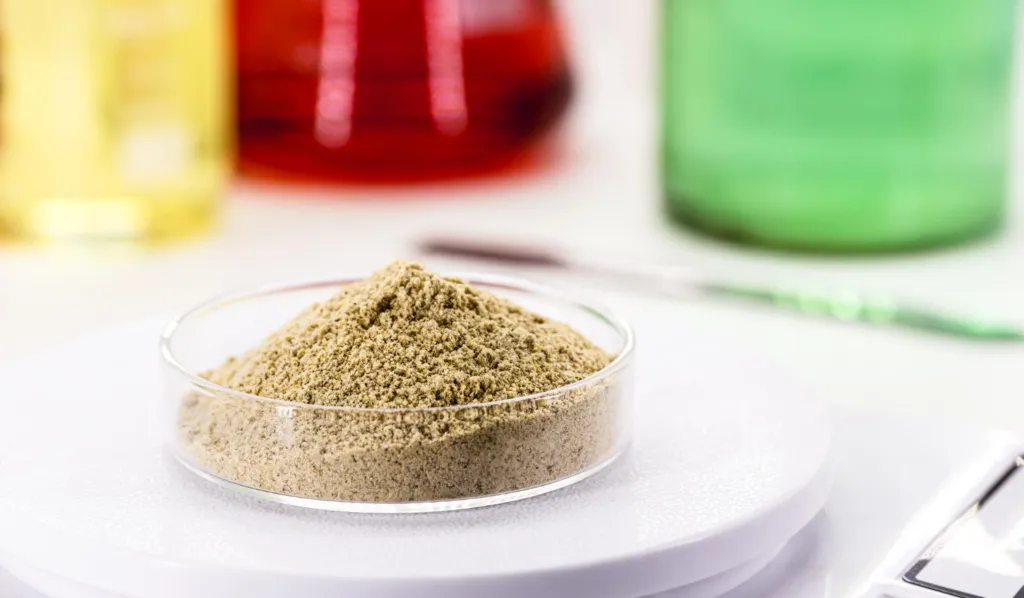
Protease is an important enzyme used in the baking industry to modify protein structure in dough, thereby improving processing characteristics and final product quality. It works by breaking down gluten proteins into smaller peptides, which helps adjust dough strength and elasticity according to specific product requirements.
In baking applications, protease enhances dough extensibility, making it easier to handle and shape during processing. It is particularly useful in products such as biscuits, crackers and certain soft baked goods where a relaxed gluten structure is desired.
The enzyme also helps reduce mixing time and improves consistency in dough development, contributing to better process efficiency in industrial baking systems. In controlled usage, it ensures balanced dough properties without compromising final product quality.
Protease is a key ingredient in modern enzyme-based baking formulations, offering bakers greater flexibility in dough control while supporting consistent and high-quality production outcomes.
Biscuit Enzyme
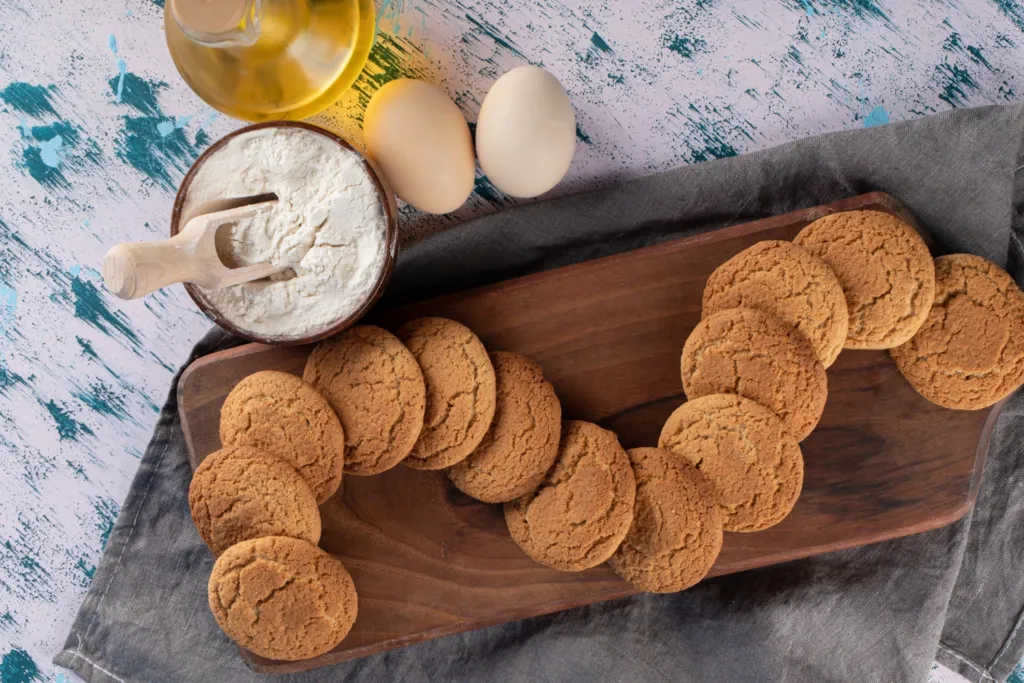
Protease-based enzyme systems are widely used in the biscuit industry to optimize dough rheology, improve machinability, and achieve the desired texture in final products. Protease acts on wheat gluten proteins by partially breaking them down into smaller peptides, resulting in a more relaxed and extensible dough structure.
In biscuit manufacturing, this controlled protein modification is essential for achieving uniform sheet ability, reduced dough shrinkage, and consistent cutting performance during processing. It also helps improve dough flow properties, ensuring smooth operation in high-speed industrial lines.
When used as part of a carefully balanced enzyme system, protease contributes to improved biscuit texture, enhanced crispiness, and better product uniformity. It also supports process efficiency by reducing mixing time and improving tolerance to variations in flour quality.
Protease-based enzyme solutions are an integral part of modern biscuit formulations, enabling manufacturers to achieve consistent quality, improved processing performance, and optimized product characteristics.
Key Benefits
• Improves dough extensibility and machinability
• Reduces dough elasticity for better sheetability
• Enhances cutting and moulding performance
• Improves biscuit texture and crispiness
• Reduces mixing time and energy consumption
• Ensures consistent product shape and uniformity
• Improves tolerance to flour quality variations