glucoamylase

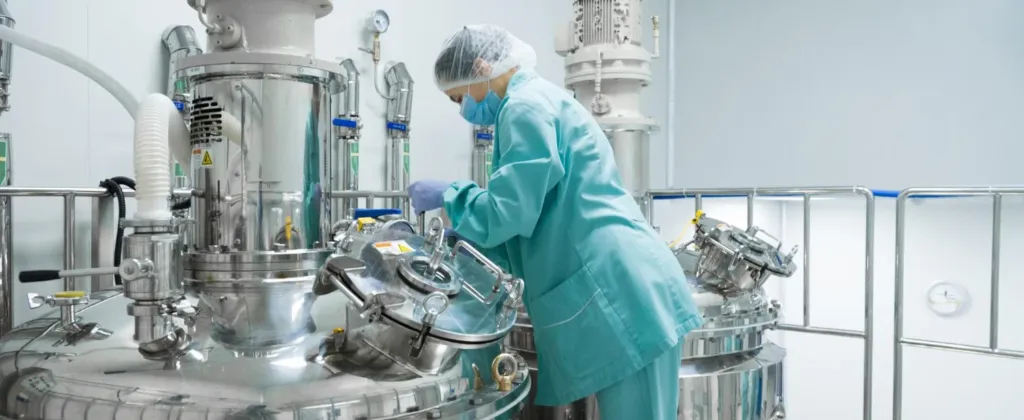
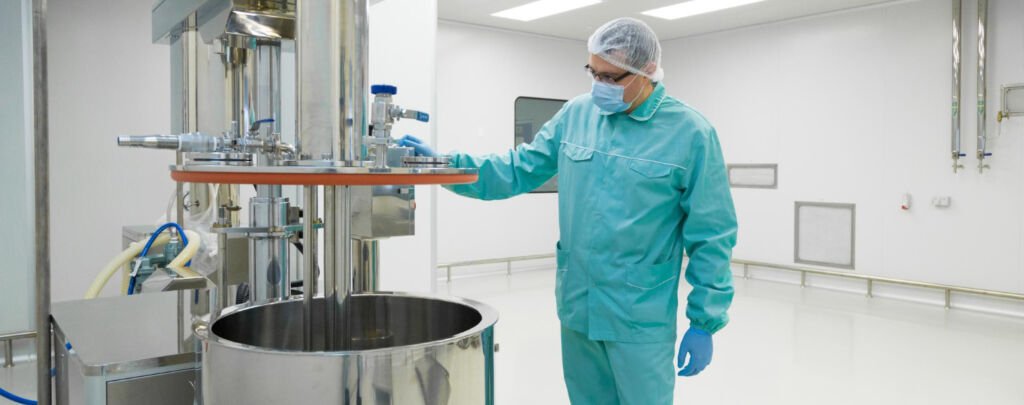
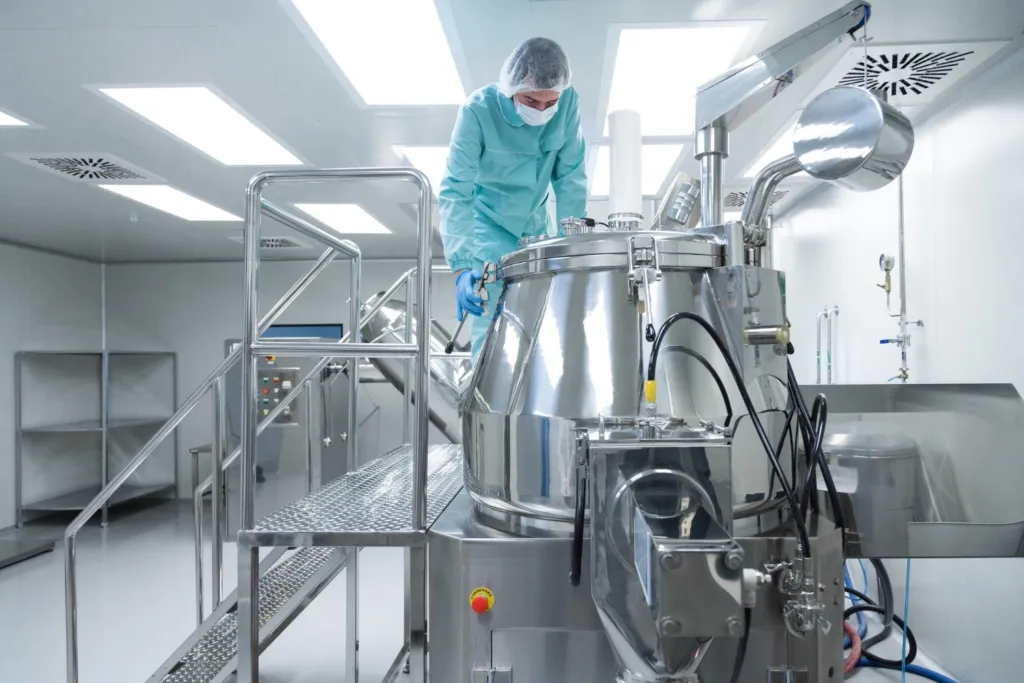
Glocoamylase, more commonly referred to as glucoamylase, is an enzyme that hydrolyzes starch into glucose by cleaving α-1,4 and α-1,6 glycosidic bonds. It is widely used in industries such as brewing, baking, and bioethanol production. We use Aspergillus species are the primary choice for producing glucoamylase for both food and industrial applications of glucoamylase because they secrete high levels of extracellular enzymes. Production is typically done via submerged fermentation (SmF).
Food Industry

a) Production of Glucose Syrup
    • Glucoamylase hydrolyzes starch into glucose.
    • Example: Conversion of corn starch into high-glucose syrup.
    • Benefit: Produces sweeteners for beverages, confectionery, and bakery products.
b) Brewing Industry
    • Used in beer and sake production.
    • Converts residual starches in grains into fermentable sugars.
    • Effect: Increases alcohol yield and improves flavor.
c) Baking Industry
    • Adds glucose to dough to improve yeast fermentation.
    • Effect: Enhances bread volume, softness, and shelf life.
d) Fermented Foods
    • Used in soy sauce, miso, and other traditional fermented foods.
    • Breaks down starches in raw materials for microbial fermentation.

Nutraceutical application

Production of Prebiotics
Formulation of Low-Calorie Sweeteners
Enhanced Bioavailability of Nutrients
Production of Functional Syrups
Glucose for Fermentation of Nutraceutical Compounds

Industrial Applications

Bioethanol Production
• Converts starch from grains or tubers into glucose.
• Glucose is then fermented by yeast to produce ethanol.
• Importance: Cost-effective starch-to-ethanol conversion.

Let’s Connect