Cellulase

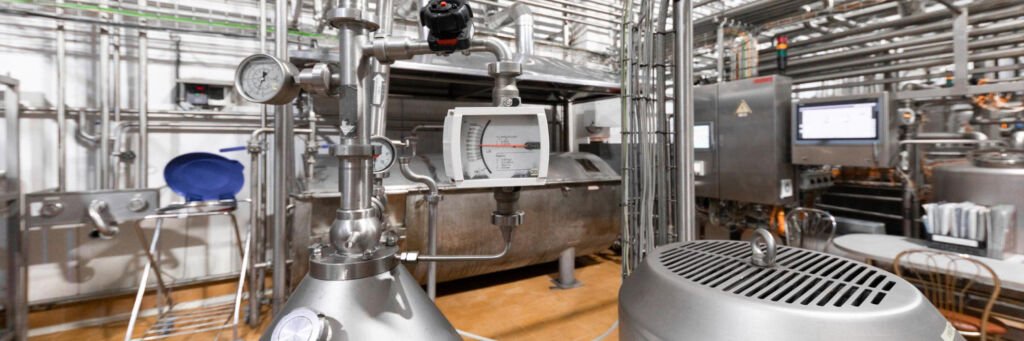
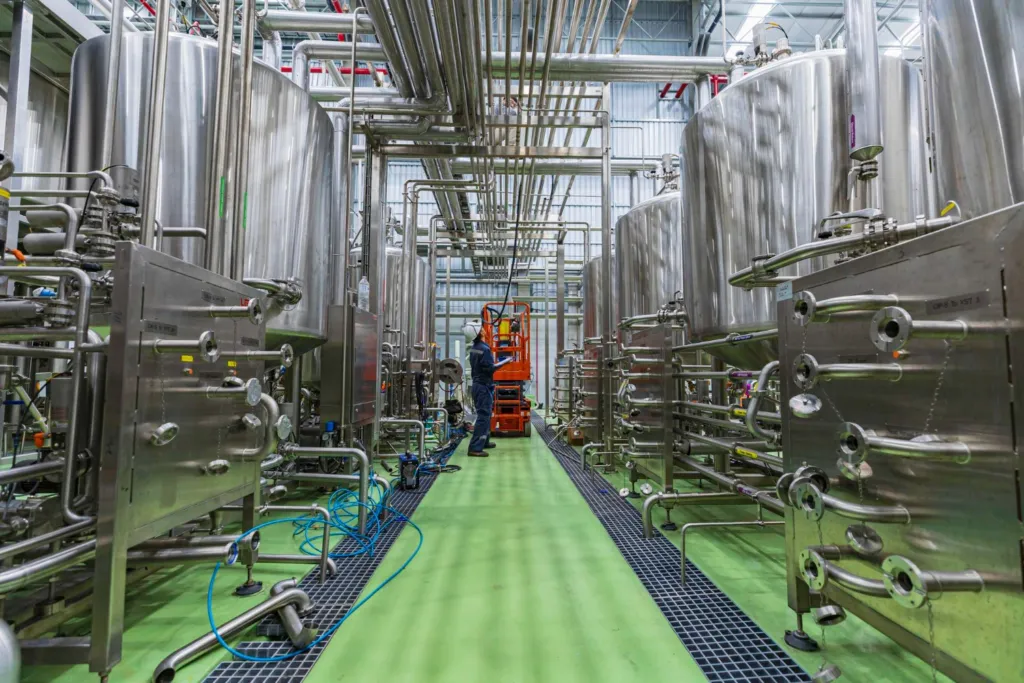
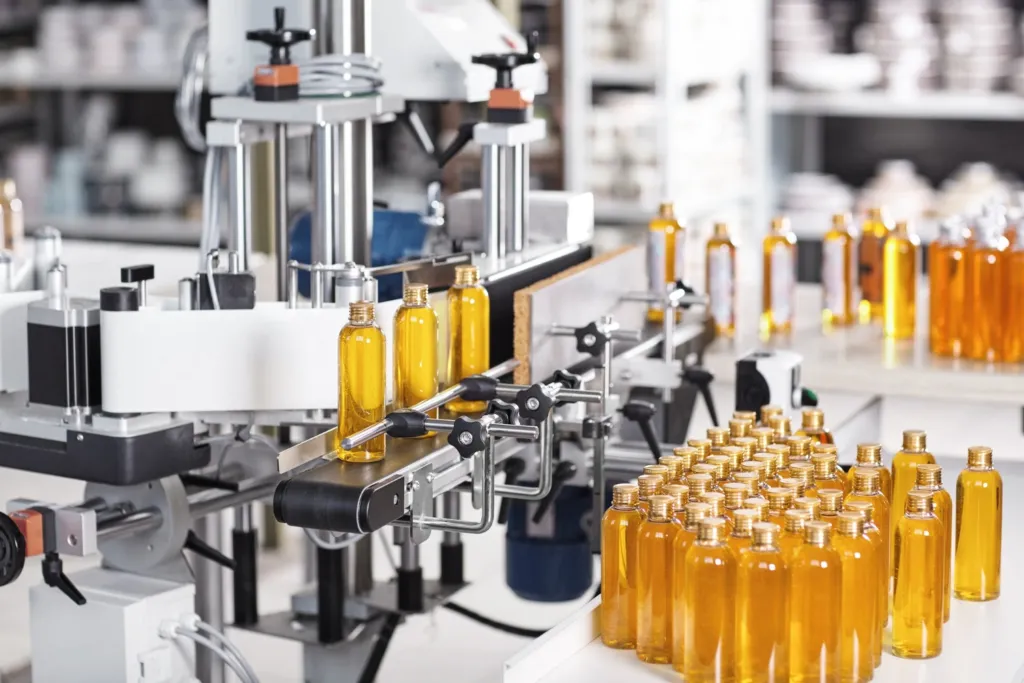
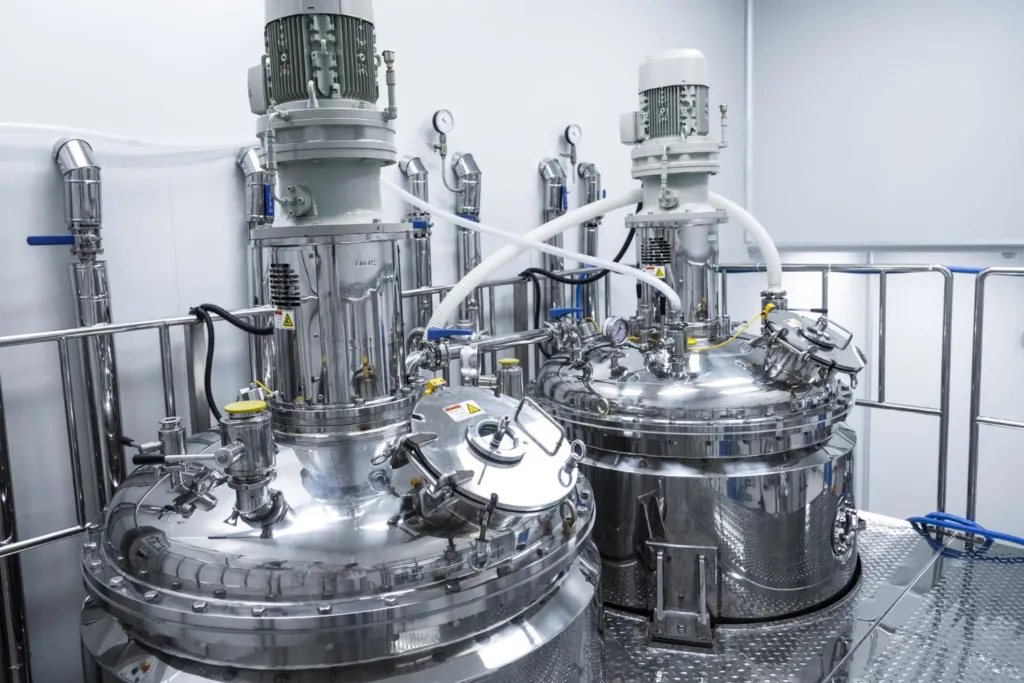
Cellulase is an essential enzyme that breaks down cellulose into usable sugars, making it important both biologically and industrially. It is widely applied in industries such as brewing, baking, and bioethanol production. We manufacture cellulase using fungal and bacterial species as the primary sources because they secrete high levels of extracellular enzymes, making them ideal for both food and industrial applications. Production is typically carried out via submerged fermentation (SmF), which allows efficient enzyme secretion and recovery.

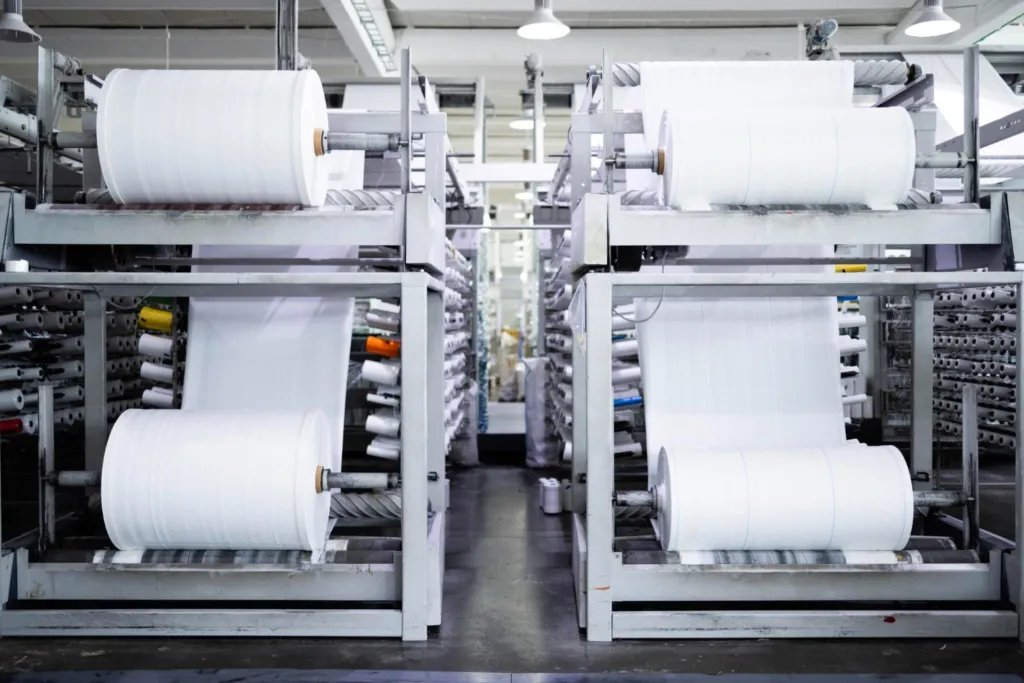
Textile Industry

• Biopolishing: Cellulases are used to remove microfibrils and fuzz from cotton and
other cellulosic fabrics, giving them a smooth, polished appearance.
• Stone-washing denim: Cellulases partially degrade the cellulose in denim, creating a
worn, “stone-washed” look without using harsh chemicals.
• Softening fabrics: Reduces stiffness in fabrics, improving hand feel.

Detergent Industry

• Color care: Helps maintain the brightness of colored cotton fabrics by removing
microfibrils that trap dirt.
• Fabric cleaning: Enhances the removal of particulate soils and stains on cotton containing clothing.
• Eco-friendly advantage: Works effectively at lower temperatures, reducing energy consumption.

Food and Beverage Industry

• Juice extraction: Improves yield and clarity of fruit and vegetable juices by breaking down plant cell walls.
• Wine and cider production: Enhances extraction of flavors, aromas, and color from fruits.
• Animal feed: Breaks down fibrous components in feed, increasing digestibility and nutrient absorption.

Paper and Pulp Industry

• Pulp treatment: Helps in deinking recycled paper by loosening ink particles and reducing the need for harsh chemicals.
• Improved pulp properties: Reduces energy consumption during refining and enhances paper quality by improving smoothness and strength.
• Eco-friendly bleaching: Used as part of enzyme-assisted bleaching to minimize chemical use.

Biofuel Industry

• Cellulosic ethanol production: Converts plant biomass into fermentable sugars, which are then fermented to produce ethanol.
• Biogas production: Enhances the breakdown of agricultural residues and waste materials for methane generation.
• Sustainable energy: Helps convert non-food lignocellulosic biomass into renewable fuels.

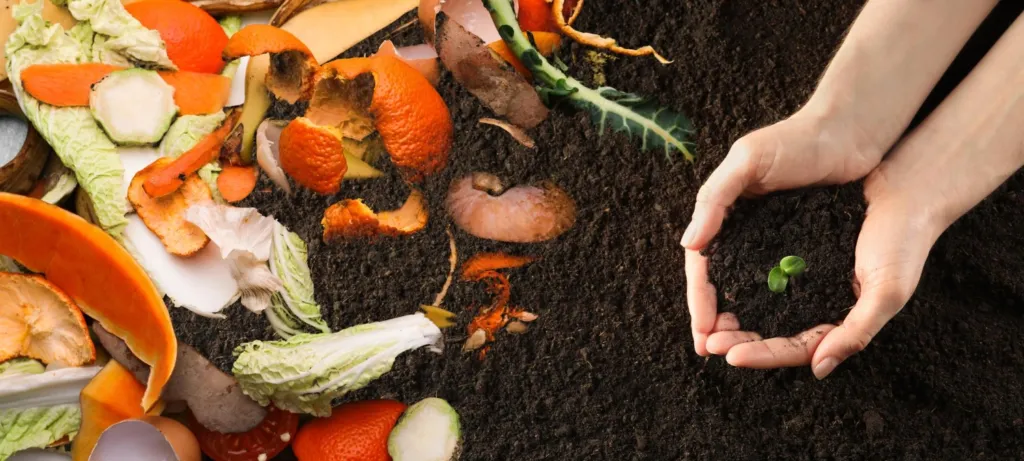
Agriculture and Waste Management

• Composting: Speeds up decomposition of plant residues.
• Soil health: Improves the release of nutrients from organic matter.
• Waste valorization: Converts agricultural waste into valuable products like biofuels or animal feed.

Pharmaceutical and Cosmetic Industry

• Drug formulation: Used to extract bioactive compounds from plant materials.
• Skin care: Sometimes used in cosmetics for exfoliating plant-derived polysaccharides.

Let’s Connect