
Juice Clarification & Vegetable Processing
Enzymes play a vital role in the modern processing of fruits and vegetables, particularly in improving the quality, yield, and stability of juices. These biological catalysts accelerate specific biochemical reactions without being consumed, making them highly efficient and environmentally friendly tools in the food industry.
In fruit juice production, one of the major challenges is the presence of natural compounds such as pectin, cellulose, hemicellulose, and starch, which cause cloudiness, high viscosity, and reduced juice extraction. Enzymes such as pectinases, cellulases and amylases are widely used to break down these complex molecules into simpler forms. This enzymatic action helps in juice clarification, resulting in a clearer, more visually appealing product with improved shelf life.
Beyond clarification, enzymes also enhance juice yield, reduce processing time and improve filtration efficiency. In vegetable and fruit processing, they are used for peeling, maceration, extraction, and texture modification. For example, enzymatic treatment can soften plant tissues, making it easier to extract juice or puree while preserving flavor, color and nutritional value.
Overall, the use of enzymes has revolutionized the fruit and vegetable processing industry by enabling more efficient, cost-effective, and high-quality production methods while minimizing the need for harsh chemical treatments.
Benefits of enzymes in juice & Vegetable processing
• Higher capacity with press or decanter
• Less pomace and less cost for disposal
• Improved decanter or press operations (discharge, cleaning)
• Reduced or no-water use for extraction
• Increased juice yields due to easier separation of liquids and solids
Pectin Methylesterase (Fruit Firming Enzymes)
Pectinase Liquid (Liquid Concentrate)
Pectinase Liquid For Citrus Fruits Processing
Pectinase Liquid For Maceration Of Fruits & Vegetables
Cellulase & Xylanase Mixture
Alpha Amylase For Juice Clarification
Pectin Methylesterase (Fruit Firming Enzymes)
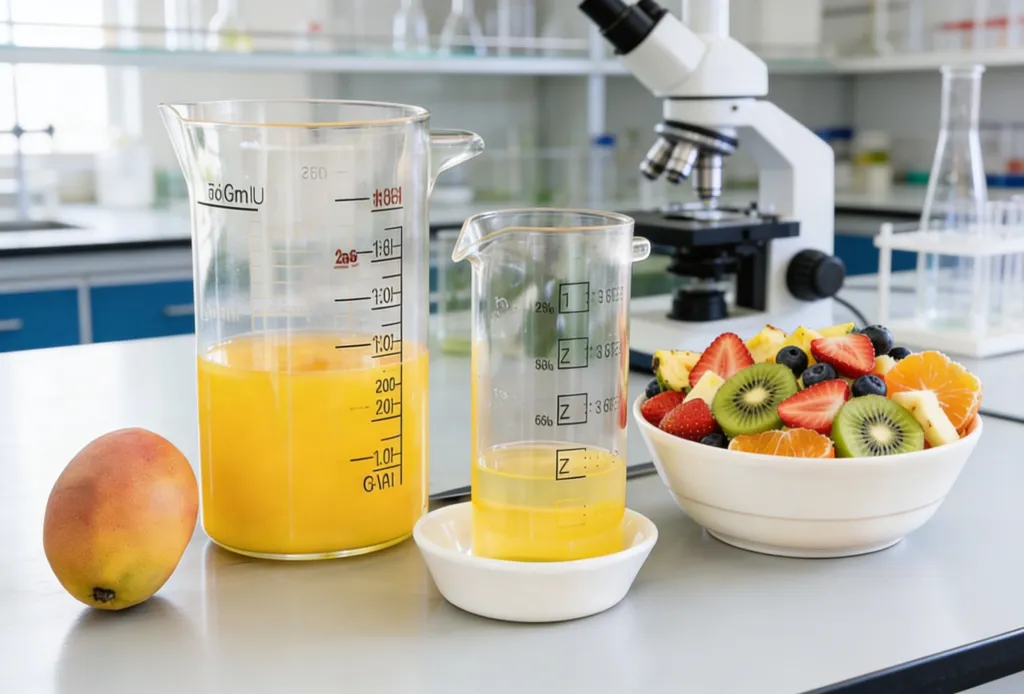
Pectin Methylesterase (PME) is a key enzyme used in the processing of fruits and vegetables to improve firmness and texture. It acts specifically on pectin, a major structural polysaccharide present in plant cell walls. PME catalyzes the removal of methyl groups from pectin (demethylation), converting it into low – methoxyl pectin. This reaction exposes free carboxyl groups on the pectin molecules.
Once pectin is demethylated, it can interact with calcium ions (Ca²⁺) to form calcium pectate gels. This process:
• Strengthens the cell wall structure
• Enhances tissue integrity
• Results in firmer fruits and vegetables
Applications
• Fruit firming before canning (e.g., peaches, strawberries)
• Improving texture of processed fruits
• Maintaining structure in fruit pieces for jams and preserves
• Enhancing resistance to mechanical damage during handling
Pectinase Liquid (Liquid Concentrate)
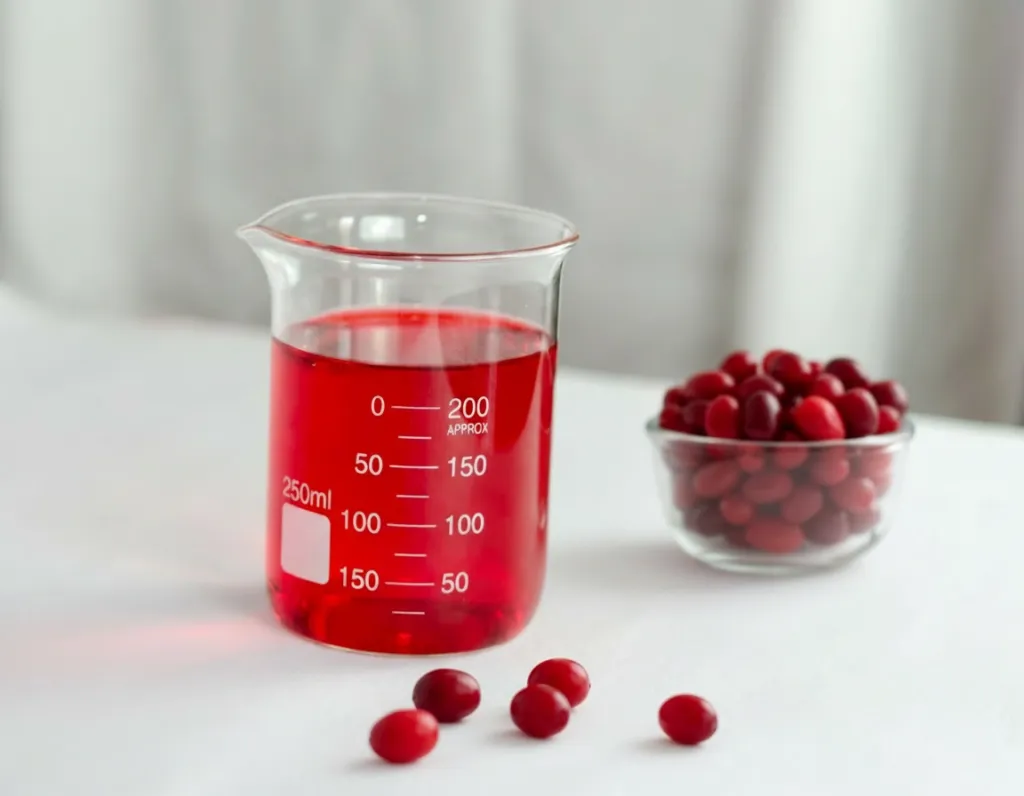
Pectinase (Liquid Concentrate) is an enzyme preparation widely used in processing fruit juices, vegetable extracts, and wine. It works by breaking down pectin, a natural polysaccharide found in plant cell walls, which improves extraction, clarity, and yield. This Pectinase (Liquid Concentrate) has high activities all three major components of the Pectinase enzyme complex i.e. Polygalaturonase, Pectin Methyl Esterase and Pectin Lyase.
Pectinase catalyzes the hydrolysis of pectin into simpler molecules. This leads to:
• Reduced viscosity
• Easier juice extraction
• Faster clarification
• Improved filtration
Fruit Juice Processing
In fruits like apples, oranges, mangoes, and berries
Increases juice yield (more liquid extracted)
Enhances clarity (less cloudiness)
Improves color and flavor release
Vegetable Processing
Used in carrot, tomato, and beetroot juice extraction
Helps soften tissue and release more liquid
Improves pressing efficiency
Wine Production
Breaks down grape skins for better juice extraction
Enhances release of color (anthocyanins) and aroma compounds
Improves clarification and filtration
Helps in faster settling of sediments
Pectinase Liquid For Citrus Fruits Processing
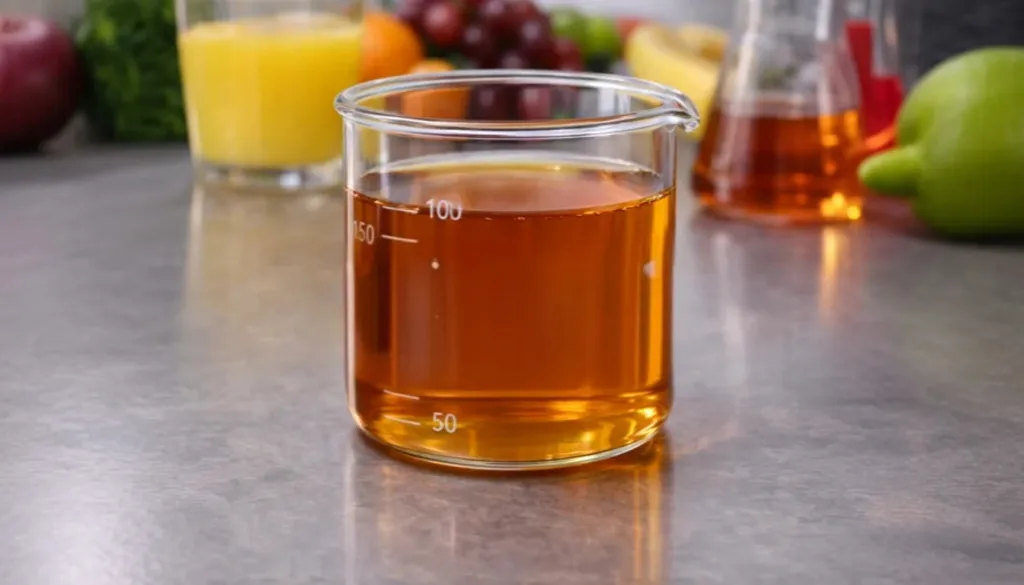
This pectinase liquid is a highly concentrated pectinase enzyme derived from Aspergillus niger. This pectinase liquid is characterized by a high Pectin Lyase (PL) activity that is desirable for processing of citrus fruits such as orange, grapefruit, etc. Presence of PME side activity in pectinases used for orange juice processing is undesirable as it results in haze precipitation and sedimentation. This pectinase liquid does not have any side activity of Pectin Methyl Esterase (PME). This pectinase liquid has some side activity of Polygalacturonase (PG).
Application
• Higher juice yield
• Better clarity
• Faster filtration
• Improved flavor and stability
• Reduced processing costs
Pectinase Liquid For Maceration Of Fruits & Vegetables
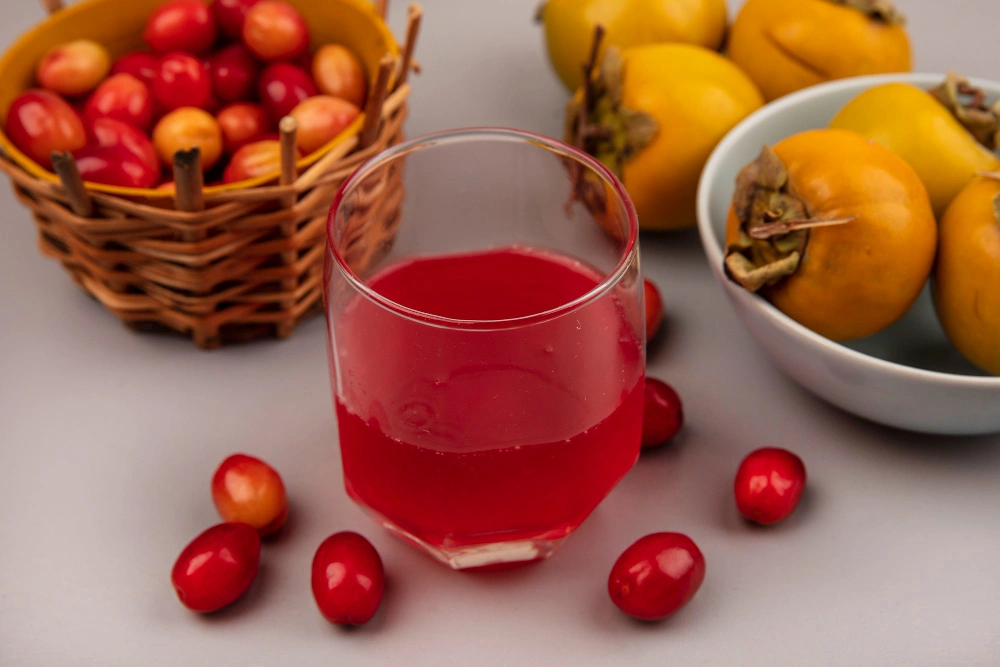
Maceration is a process in which plant tissues are softened and broken down to facilitate the release of juice, pigments, and other valuable intracellular components. During processing, this pectin network restricts the efficient extraction of juice and other compounds. Liquid pectinase enzymes hydrolyze pectin into simpler molecules, thereby weakening the cell wall structure.
Use of pectinase in maceration:
• Enhances tissue softening and disintegration
• Increases juice yield and extraction efficiency
• Improves release of color, flavor, and bioactive compounds
• Reduces viscosity, making filtration and pressing easier
Cellulase & Xylanase Mixture
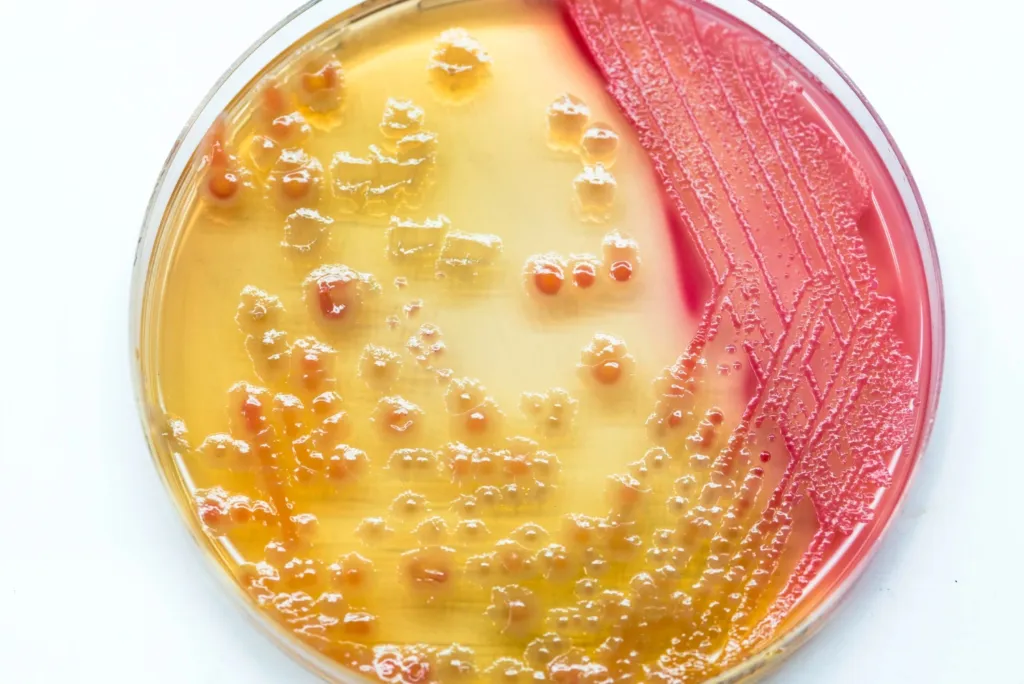
Cellulase & xylanase mixture is a concentrated enzyme preparation for use in various applications that require hydrolysis or extraction of cellulose hemicellulose fractions from plant materials. It’s Cellulase, Xylanase and betaglucanase enzymes improves separation of various plant fractions to improve extraction yield and quality. Structural materials of plants are composed mainly of cellulose, hemicellulose and beta-glucans that are cross – linked with each other and with other components such as lignin, pectin, proteins, starch and lipids. Cellulase & xylanase mixture contains an enzyme combination that effectively modifies and breaks down the non-starch carbohydrates that are structural components of plant cells.
Key Benefits
• Reduced Viscosity
• Better Pulp and Puree Processing
• Increased Juice Yield
• Improved Extraction of Bioactive Compounds
Alpha Amylase For Juice Clarification
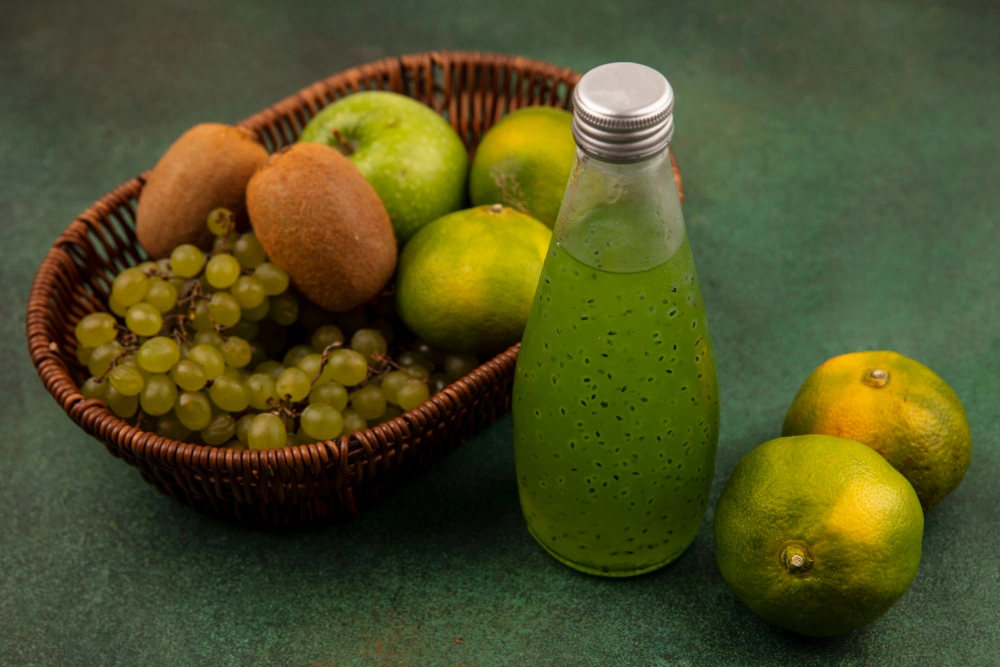
Alpha amylase for juice clarification is mainly used to break down starch, which can cause haze or cloudiness in fruit juices especially in juices like apple, pear, banana or mango where starch content is higher.
Alpha amylase hydrolyzes starch → dextrin’s → sugars, this reduces turbidity (cloudiness) and improves filtration efficiency, it helps produce a clearer, brighter juice.
Key Benefits
• Improved clarity and brightness
• Faster filtration
• Higher juice yield
• Reduced viscosity