Xylanase

Xylanase is an enzyme that breaks down xylan, which is a major component of hemicellulose, a polysaccharide found in plant cell walls. It hydrolyzes the β-1,4-xylosidic linkages in xylan, producing xylo-oligosaccharides and eventually xylose.

Our xylanase enzyme produced by submerged fermentation of a selected strain of Trichoderma reesei, and from a selected strain of Bacillus subtilis.
Food Industry

1. Baking / Bread-making
Breaks down arabinoxylans in wheat flour, reducing dough viscosity. Improves dough handling, gas retention, and loaf volume. Produces softer, finer-crumbed bread.
2. Juice and Beverage Industry
Clarifies fruit juices (like apple and orange) by breaking down hemicelluloses that cause cloudiness. Increases juice yield and filtration efficiency.
3. Cereal-based Products
Improves texture in pasta, noodles, and biscuits by modifying fiber content. Reduces water absorption time and cooking losses.

Feed Industry

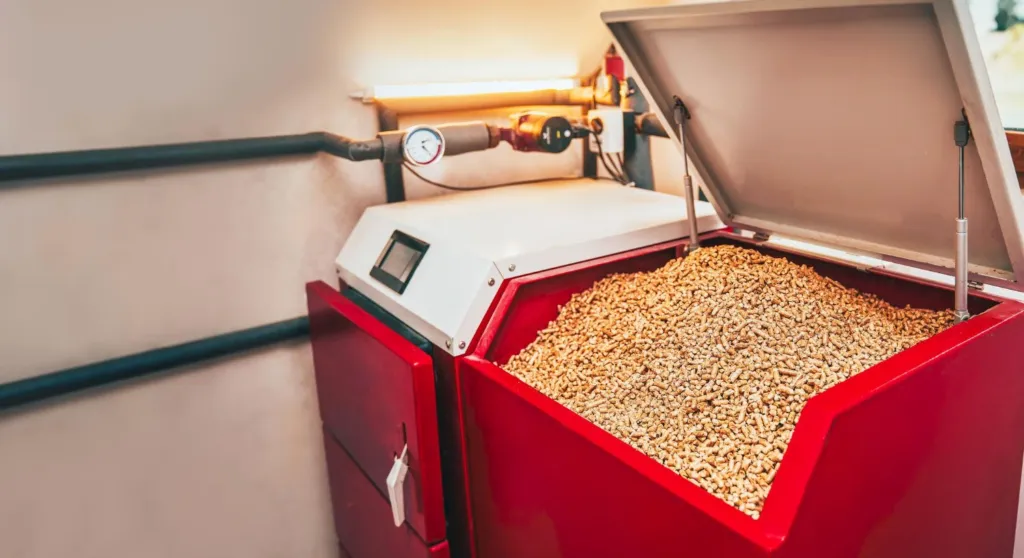
xylanase in animal feed, the goal is to improve nutrient digestibility and feed efficiency, especially in diets rich in cereals like wheat, barley, or corn, which contain non-starch polysaccharides (NSPs) like xylan.
• Breakdown of Non-Starch Polysaccharides (NSPs)
• Improved Nutrient Availability
• Enhanced Growth Performance
• Reduction of Anti-Nutritional Effects

Paper Pulp

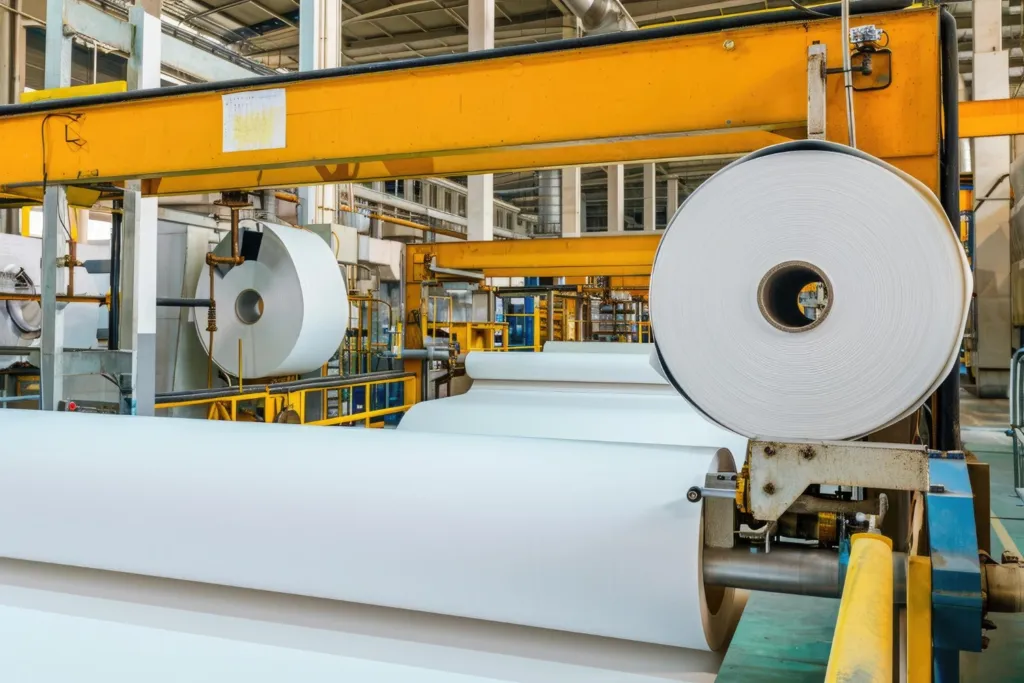
xylanase is used primarily for bio bleaching and pulp treatment, reducing the need for harsh chemicals while improving efficiency and paper quality.
• Pre-bleaching of Wood Pulp
• Improved Pulp Brightness
• Reduced Chemical Usage
• Enhanced Paper Strength

Let’s Connect