
Bating Enzymes
Bating enzymes are specialized proteolytic enzymes used in the leather manufacturing process during the bating stage. Their main function is to gently remove unwanted non-structural proteins, residual chemicals, and impurities from animal hides after liming and dehairing. By selectively breaking down these materials without damaging the collagen fibers, bating enzymes help improve the softness, flexibility, and overall quality of leather.
Modern bating enzymes are typically derived from bacterial or pancreatic sources and are widely used in the leather industry due to their efficiency, consistency, and eco-friendly nature compared to traditional methods. They play a key role in producing clean, smooth, and high-grade leather suitable for various applications.
We offer a range of proteases for bating which work in different pH conditions.
Protease for bating in alkaline pH conditions
Protease for bating in acidic pH conditions
Alkaline Protease
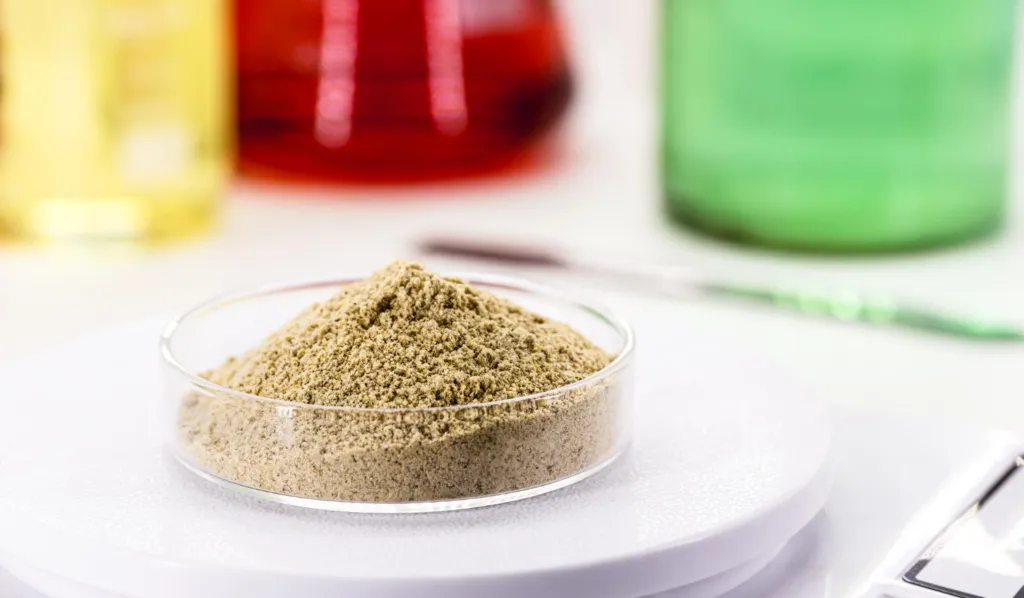
Alkaline protease for bating is a type of proteolytic enzyme used in the leather industry during the bating stage to improve the quality of hides after liming and dehairing.
It works efficiently in mildly alkaline conditions, where it selectively breaks down unwanted non-fibrous proteins such as albumins, globulins, and other residual materials present in the hide. This controlled enzymatic action helps in cleaning the hide structure without damaging the collagen fibers, which are essential for leather strength.
Key benefits
• Improves softness and flexibility of leather
• Removes residual non-structural proteins and impurities
• Enhances grain smoothness and uniformity
• Works effectively in alkaline pH conditions typical of leather processing
• Supports eco-friendly and controlled processing compared to harsh chemicals
Acid Protease
Acid protease for bating is a specialized proteolytic enzyme used in the leather industry during the bating process under acidic pH conditions. It helps in the controlled breakdown of unwanted non-structural proteins present in hides after liming and dehairing, improving the overall quality of leather.
Unlike alkaline proteases, acid proteases work efficiently in low pH environments, making them suitable for specific bating and deliming conditions where mild acidification is required.
Key Benefits:
• Removes residual proteins such as albumins and globulins
• Helps in cleaning and opening up the fiber structure of hides
• Improves softness, smoothness, and uniformity of leather
• Assists in better penetration of tanning chemicals
• Works effectively under acidic processing conditions