
Degreasing Enzymes
Degreasing enzymes are advanced biological solutions used in the leather industry to efficiently remove natural fats, oils, and grease from animal hides during the early stages of processing. These enzymes, primarily based on lipase activity, break down complex lipids into simpler, water-soluble forms, allowing easy removal without harming the hide structure.
Designed for modern and sustainable leather manufacturing, degreasing enzymes ensure cleaner hides, improved chemical penetration, and better uniformity in downstream processes such as tanning and dyeing. By replacing or reducing harsh chemical degreasers, they offer an eco-friendly and effective approach to achieving high-quality leather production.
Alkaline Lipase
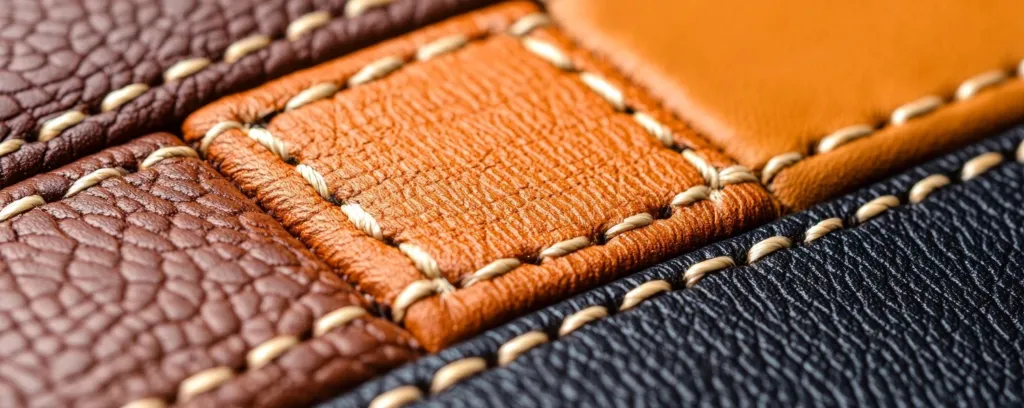
Alkaline lipase for degreasing is a specialized enzymatic preparation used in the leather industry to remove natural fats, oils, and grease from animal hides under alkaline conditions during the soaking and pre-tanning stages.
This enzyme works by breaking down complex triglycerides into simpler, water-soluble fatty acids and glycerol, making it easier to wash away unwanted grease from the hide surface and inner structure without damaging collagen fibers.
Key Benefits:
• Hydrolyzes natural fats and oils (lipids) in hides
• Improves wetting and penetration of processing chemicals
• Ensures uniform cleaning of hides and skins
• Reduces greasy spots and improves dyeing consistency
Acid Lipase
Acid lipase for degreasing is a specialized enzymatic solution used in the leather industry to remove natural fats and oils from animal hides under acidic conditions, typically during soaking or early pre-tanning stages.
This enzyme catalyzes the breakdown of lipids (fats and greases) into simpler compounds such as fatty acids and glycerol, which can be easily removed by washing. It helps ensure thorough cleaning of hides without affecting the collagen fiber structure, maintaining the integrity of the material.
Key Benefits:
• Breaks down natural fats and grease (lipids) in hides
• Works efficiently in acidic pH conditions
• Improves wetting and chemical penetration in subsequent processes
• Ensures uniform degreasing and cleaner hide surfaces